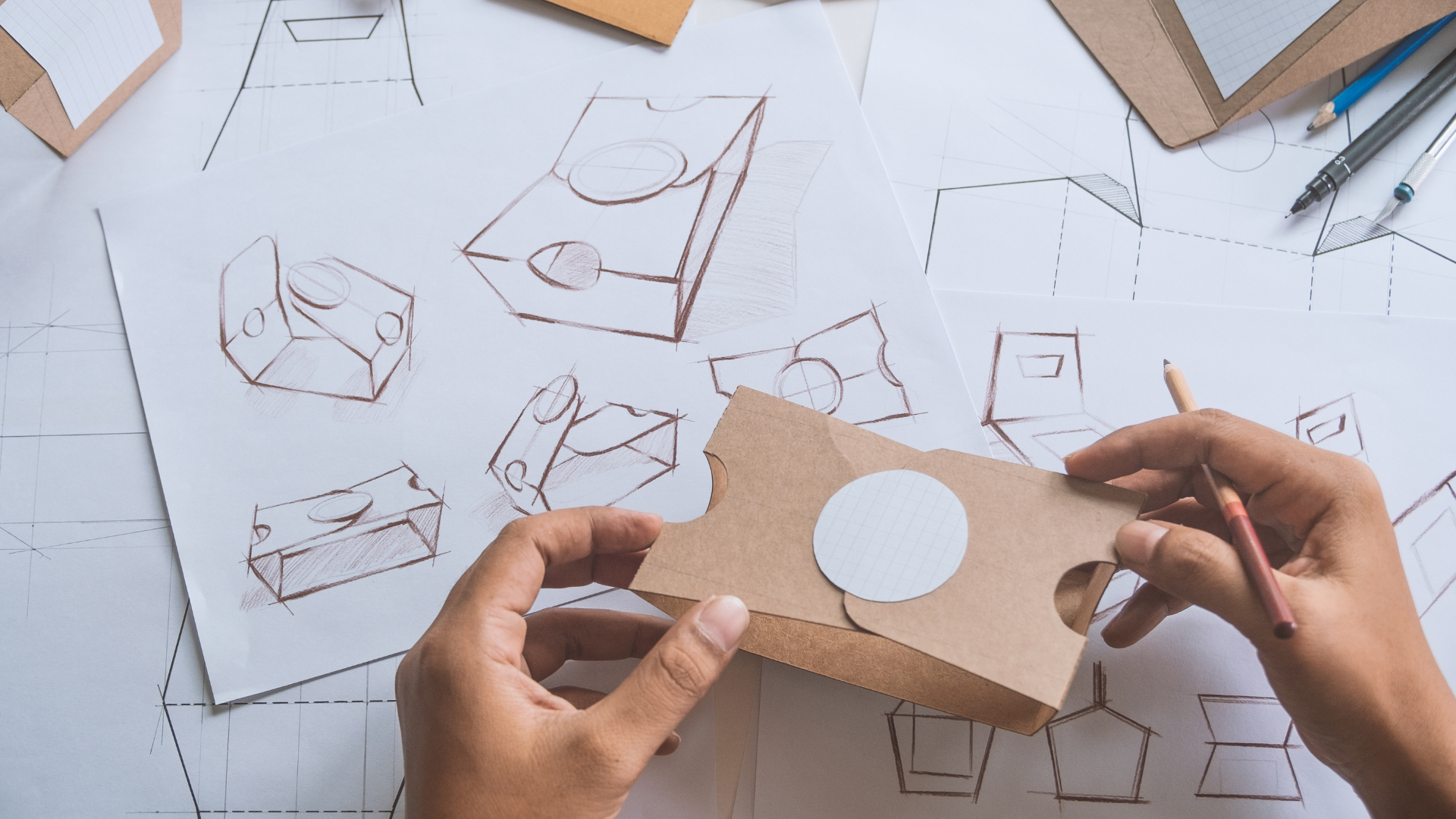
Packaging design must balance the brand message with overall aesthetics, functionality, and sustainability. Considerations include the size and type of package, its materials, the container’s shape, and the packaging’s visual appeal.
Here Are the Questions to Consider When Designing Packaging:
The first is: What is the target audience?
When considering a product design, it is essential to identify the intended audience for the packaging. This involves understanding the demographics, preferences, and needs of the target market. Keep in mind that identifying the target audience can help designers enhance their mylar bag custom design or choose a similar alternative. By knowing the target audience, designers can effectively communicate with and appeal to the intended consumers.
Understanding the target audience helps packaging designers make informed decisions regarding the design elements, such as color schemes, typography, imagery, and messaging. For example, if the target audience consists of young children, packaging designs may incorporate vibrant colors, playful fonts, and engaging characters to capture their attention and create a sense of excitement.
On the other hand, if the target audience is a more mature demographic, packaging designs might focus on sophistication, simplicity, and elegance. In this case, the use of subtle colors, refined typography, and minimalist design elements can convey a sense of professionalism and quality.
The next is: What type of design be applied?
This is a critical question that every packaging designer must address. The design of packaging plays a crucial role in the success of a product, as it not only attracts the attention of potential customers but also communicates important information about the product itself. One approach that can be taken is to use packaging mockups.
Packaging Mockups Solutions at P&H (and other firms) tend to offer virtual representations of the final packaging design, allowing businesses to visualize and evaluate different design options before making a final choice. They provide a realistic preview of how the packaging will look and feel, helping firms assess its visual appeal, functionality, and overall impact on the consumer. By using packaging mockups, businesses can make informed decisions and ensure that the final design meets both aesthetic and practical requirements.
An important consideration: Does size affect design?
The size of packaging indeed plays a pivotal role in the overall design considerations. Whether you’re packaging a small product or a larger item, the dimensions directly impact the visual appeal and functionality of the design. It’s crucial to strike a balance between aesthetics and practicality, ensuring that the packaging not only looks appealing but also serves its intended purpose. The size influences layout, graphic elements, and the placement of essential information.
For instance, as discussed above with mylar bags, the size of the packaging may affect the visibility and readability of branding elements or nutritional information. In the context of specific sizes like the mylar 3.5 bags and other small ones, considerations become even more critical to ensure a snug fit that maintains the product’s integrity while providing a canvas for an eye-catching design. Therefore, when delving into the intricacies of packaging design, meticulous attention to size-related details ensures a harmonious blend of form and function.
The last is: What type of paper is required for the printing?
This will determine whether you need to use coated or uncoated paper. Choosing the right paper for your packaging is important. Paper for packaging can be produced from various materials, from wood pulp and cotton to recycled paper and sugar cane. You can explore various options at online stores such as Packaging Chimp and others. The environmental impact of producing paper is often underestimated. If paper must be used, Kraft paper is preferable. Kraft paper has a rough surface texture and is thick, rough, and porous. Because Kraft paper is rough, it is less likely to tear even if the top edge is torn or trimmed. Kraft paper is more absorbent than other paper and can absorb liquids and dough better than other paper.
Packaging design may be one of the most overlooked aspects of a brand’s packaging. This can be easily avoided by thinking first about the product, second about the house/environment in which the product will be presented, and last, but certainly not least, about the buying experience. For the sake of the product, the packaging must be clean, simple, and efficient and should transfer the product safety information to the consumer. For the sake of the house, the packaging should be the “fifth wall,” which frames the room and allows the shopper to see the room as a whole. For the sake of the buying experience, the packaging should create an emotional response and a feeling of belonging.