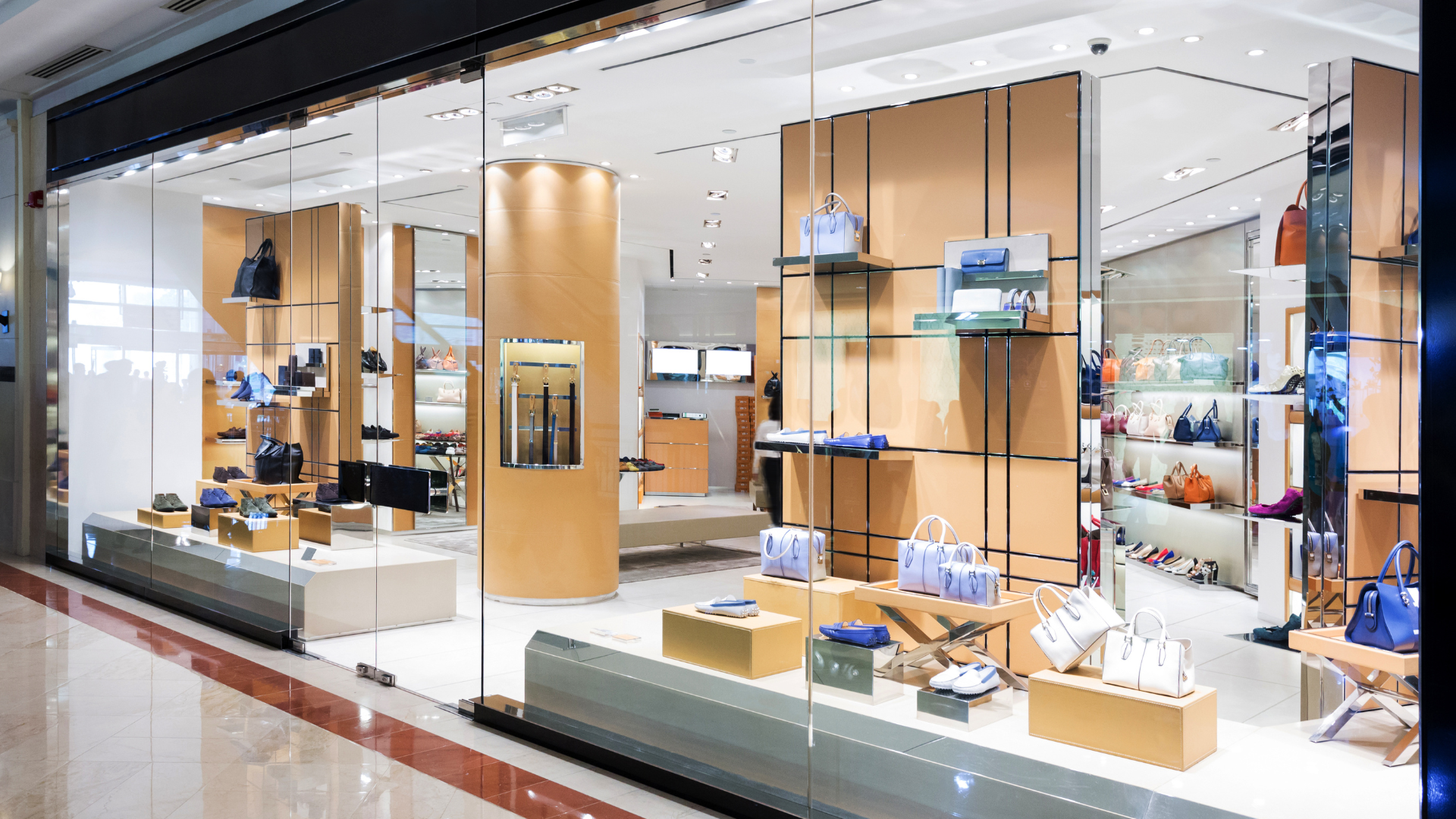
Are you aware that the level of lighting in retail environments can have a significant impact on your safety? It’s something we often overlook, but inadequate lighting can lead to a myriad of dangers lurking within our favorite stores. From potential trip hazards to increased security risks, the importance of shedding light on this topic cannot be ignored. In today’s blog post, we delve into the hidden dangers and shed some much-needed light on why proper illumination is crucial for your well-being while shopping. So grab a flashlight (just kidding!) and let’s explore how inadequate lighting can cast a shadow over your safety in retail environments!
What are the Lighting Requirements for Retail Stores?
When it comes to retail stores, adequate lighting is essential to create a safe environment for both employees and customers. Poor lighting can lead to accidents, slips, and falls, and can even contribute to crime by creating areas where potential threats may go unnoticed. The following are some tips for creating a well-lit retail space:
- Use a combination of natural and artificial light. Utilize as much natural light as possible by keeping windows clean and unobstructed. Supplement with bright, energy-efficient artificial lights.
- Place lights at strategic points throughout the store. Positioning lights in key areas will help to eliminate dark corners and shadowy areas.
- Pay attention to the color temperature of your lights. A higher color temperature (around 4000K) is best for retail spaces as it creates a bright, inviting atmosphere.
- Use task lighting for specific areas such as checkout counters or dressing rooms. This will help employees see what they are doing and prevent errors.
In addition to these general lighting strategies, incorporating architectural signage with integrated lighting could significantly enhance both safety and aesthetics within the retail environment. Illuminated signs could not only improve visibility but also serve as critical navigational aids, guiding customers through the store effectively. For instance, backlit signage at entrances or above checkout counters not only creates a welcoming atmosphere but could also ensure that important information is visible, reinforcing the store’s branding.
Moreover, accent lighting can be strategically used to enhance signage by highlighting specific products or displays within the store. By directing focused light onto promotional items or featured merchandise alongside well-designed signage, retailers could establish a visual interest that draws customers’ attention to key areas.
Ultimately, by following these tips, retailers can create a retail space that is both safe and inviting for their employees and customers alike. If someone suffers an injury due to poor lighting, they may be able to make a claim. Check here to learn more.
Signs Lighting Issues in Retail Stores:
- Dim Lighting: Some signs may suffer from insufficient brightness, making it difficult for customers to read the messages or find specific products.
- Glare and Reflections: Poorly positioned lights or shiny surfaces can cause glare and reflections on signs, hindering visibility.
- Inconsistent Lighting: Uneven lighting across different signs can create an unbalanced and disorganized shopping environment.
- Outdated Lighting Technology: The use of outdated lighting technology might lead to high energy consumption and higher maintenance costs.
- Lack of Focus: Inadequate spotlights or lighting direction can fail to draw attention to important signs and promotions.
- Ineffective Color Rendering: Incorrect lighting can distort the colors on signs, affecting brand representation and visual appeal.
- No Accentuation: Failure to highlight crucial areas and signs may result in missed opportunities to promote certain products or sales.
The Risks of Poor Lighting in a Retail Store
Inadequate lighting in retail stores can create a number of safety hazards for both employees and customers.
Negative Effects on Customers
Many retailers fail to realize the importance of adequate lighting in their stores. Poorly lit retail environments can have a number of negative effects on customers, including:
– Reduced visibility and safety: Inadequate lighting can make it difficult for customers to see what they are doing, which can lead to accidents. It can also make store employees less visible, which can create a safety hazard. To mitigate these risks, it is essential for businesses to shop for hazard signs that clearly indicate potential dangers and safety protocols.
– Increased anxiety and stress: Poor lighting can cause customers to feel anxious and stressed, which can lead to them leaving the store without making a purchase.
– Reduced sales: If customers cannot see products properly or feel uncomfortable in the store, they are less likely to make a purchase. This can lead to reduced sales for the retailer.
– Lower customer satisfaction: Poorly lit stores often receive lower customer satisfaction ratings, as customers are less likely to enjoy their shopping experience. This can lead to lost business in the long run.
Negative Effects on Employees
Working in a retail environment that is poorly lit can have negative effects on employees. Poor lighting can cause eye strain, headaches, and even migraines. It can also lead to accidents and injuries due to the lack of visibility. In addition, poor lighting can create a hostile work environment and increase the risk of violence.
How to Improve Lighting Inadequacy?
Inadequate lighting is a common problem in retail environments. Poor lighting can lead to accidents, injuries, and even fatalities. It can also create a hostile work environment and increase the chance of shoplifting and other crimes.
There are a few things that businesses can do to improve lighting inadequacy:
- Increase the number of light fixtures: This will help to ensure that there is enough light to properly illuminate the space. For a reliable solution, electrician services Pueblo CO and those elsewhere can handle the installation on your behalf, ensuring everything is set up safely and effectively.
- Use higher wattage bulbs: Higher wattage bulbs will produce more light and help to brighten up the area.
- Position lights properly: Lights should be placed in a way that ensures that they are shining directly onto the areas that need to be illuminated.
- Keep lights clean: Dust and dirt can cause lights to dim, so it’s important to keep them clean and free of debris.
- Test lights regularly: Regularly testing lights will help to identify any problems so that they can be fixed quickly.
In addition to artificial lighting strategies, businesses can also optimize natural light sources for an overall brighter and more appealing environment. The type and quality of storefront glass can impact the amount of daylight that can enter a space. Choosing glass with high light transmission and proper energy efficiency features can provide a cost-effective boost to daytime illumination.
Conclusion
To ensure the safety of everyone involved, retailers should take steps to ensure that their stores are adequately lit at all times. By doing so, retailers can help prevent dangerous situations from arising and keep both customers and staff safe while shopping or working in the store.