Machines Can Get Stuck Too
People might think only people get stuck or tired. But machines can get stuck too. In big factories, there’s tons of stuff moving around all day. Things like sand, rocks, grains, powders, and even wet concrete. All those things don’t always move the way they should.
Sometimes, they pile up or get jammed in big metal hoppers, bins, or pipes. Other times, they cling to the sides because they’re sticky or full of moisture. When that happens, machines can’t keep working right.
That’s where external industrial vibrators come in. They help keep everything moving so the machines don’t slow down or break.
How Vibration Solves Big Problems
Imagine pouring flour into a bottle. It can clog and not fall in smooth. Tapping the side of the bottle helps it go in. That’s pretty much what an external industrial vibrator does, just on a much bigger and stronger scale.
Vibration makes materials shake and move. It helps break apart lumps, stops things from sticking, and keeps products flowing smoothly. Without this shaking, factories could waste tons of time clearing out jams. Plus, workers might have to poke inside machines, which isn’t safe.
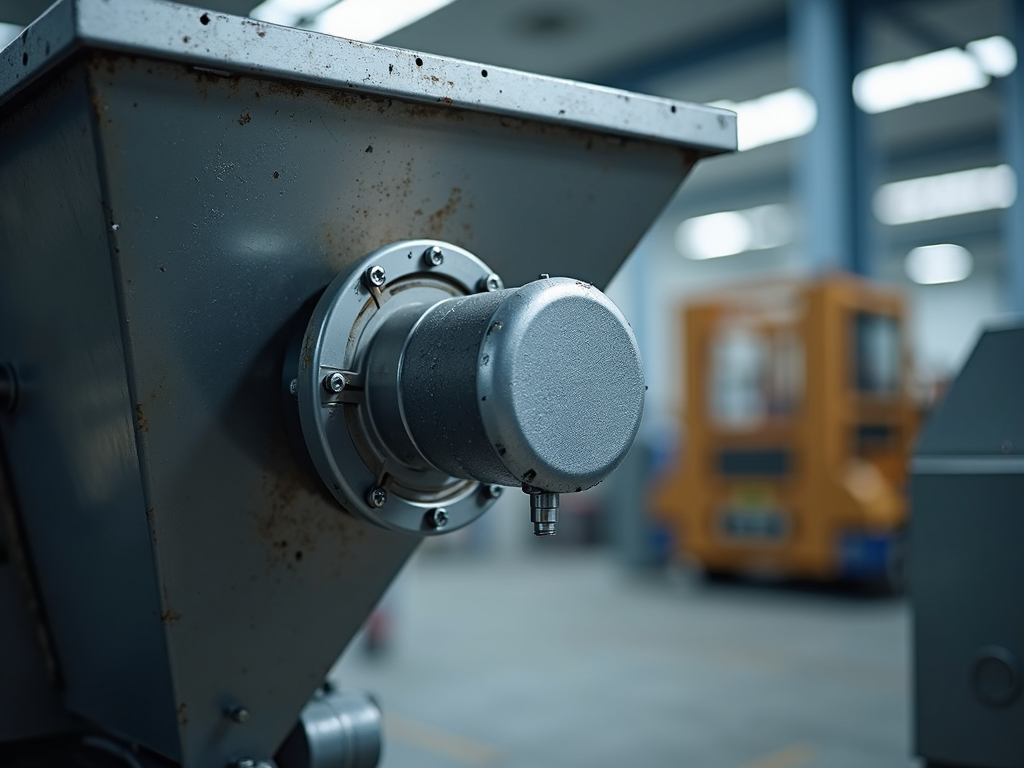
External vibrators are often mounted on the outside of machines or containers. That’s why they’re called “external.” They send powerful vibrations through the walls of the equipment without having to touch the material directly.
In places where smooth flow matters, it’s smart to consider using an external industrial vibrator. They’re made to handle tough jobs and can save a lot of trouble, especially in industries where materials keep sticking or clumping.
Where These Vibrators Do Their Work
External industrial vibrators show up in all sorts of places. They’re kind of hidden heroes in factories and plants. Here are some examples of where they’re used and why:
Moving Heavy Stuff
In places where people work with stone, gravel, or sand, machines called hoppers hold these heavy materials. But heavy loads often get stuck or bridge over the outlet. Vibrators shake the hopper so the material drops out properly.
Helping Concrete Stay Strong
When workers pour wet concrete into molds, they have to make sure there aren’t big air bubbles trapped inside. Vibrators help the wet concrete settle evenly and fill all the gaps. If concrete has too many bubbles, it might crack or become weak.
Keeping Food Flowing
Even food factories use vibrators. Powders like sugar, flour, and spices can get clumped up. Vibrators keep things moving so machines can fill packages without getting jammed.
Handling Chemicals and Powders
Places that handle chemicals or fine powders use vibrators so materials don’t stick to bin walls or build up inside pipes. Some powders are super light and can clog equipment easily. Vibrators help keep them loose and flowing.
Why Factories Love These Vibrators
Factories depend on working fast and not wasting time. If machines jam up, everything slows down. Workers might have to stop machines, clean them out, or even fix broken parts. That costs money and time.
External industrial vibrators help stop those problems. Here’s why factories love using them:
- They save time because materials keep flowing without jams.
- Machines last longer since they don’t have to fight blockages.
- Workers stay safer because they don’t have to go poking around inside machines.
- Products stay consistent in weight and shape because materials flow evenly.
Factories want to keep things moving so they can ship products on time. A small machine that shakes can make a big difference in keeping things smooth.
Different Kinds of External Vibrators
Not every vibrator is the same. Some vibrators run on air, others on electricity. Both have special jobs.
Air Vibrators
Air vibrators use compressed air to make things shake. They’re good for places where it’s risky to use electricity, like spots with dust that could catch fire. Air vibrators come in different shapes and sizes, depending on how strong the vibration needs to be.
Electric Vibrators
Electric vibrators plug into power and create steady shaking. They’re often used on bigger machines because they can run nonstop for long periods. Electric vibrators can be adjusted to change how fast they vibrate. This helps control how much shaking is needed for different materials.
It’s Not Just About Shaking
People might think a vibrator’s job is just shaking things around. But it’s more than that. Factories use careful math and testing to figure out how strong the vibration should be. Too much vibration can damage equipment. Too little won’t move anything.
Experts study things like the weight of the material, how sticky it is, and how fast it needs to move. That way, the right size and type of vibrator is chosen for the job.
This makes sure machines don’t get worn out or break. Plus, it helps save energy so the factory doesn’t waste electricity or air.
Even the Sound Matters
Some vibrators can be loud. Factories often use special rubber mounts or quieter models so workers don’t have to deal with constant noise. It’s important to keep workers safe from loud sounds that could hurt hearing over time.
A Hidden Part of Big Industry
External industrial vibrators might not be something most people talk about every day. But they play a huge part in keeping factories running. Whether it’s getting flour into a bag or helping concrete stay strong, these machines quietly help everything work better.
They help save time, keep products consistent, and make factories safer. Without them, there would be more jams, messes, and wasted time.
In the end, even a powerful factory sometimes just needs a little shake to keep going.
Keeping Things Moving is the Big Idea
Machines are amazing, but they can’t always solve problems alone. That’s why external industrial vibrators are so helpful. They keep materials moving, stop jams, and help factories stay safe and fast.
It’s pretty cool to think a simple shake could help build skyscrapers, fill candy bags, or mix chemicals safely. It just goes to show—even the biggest jobs sometimes need a little help to keep things flowing.