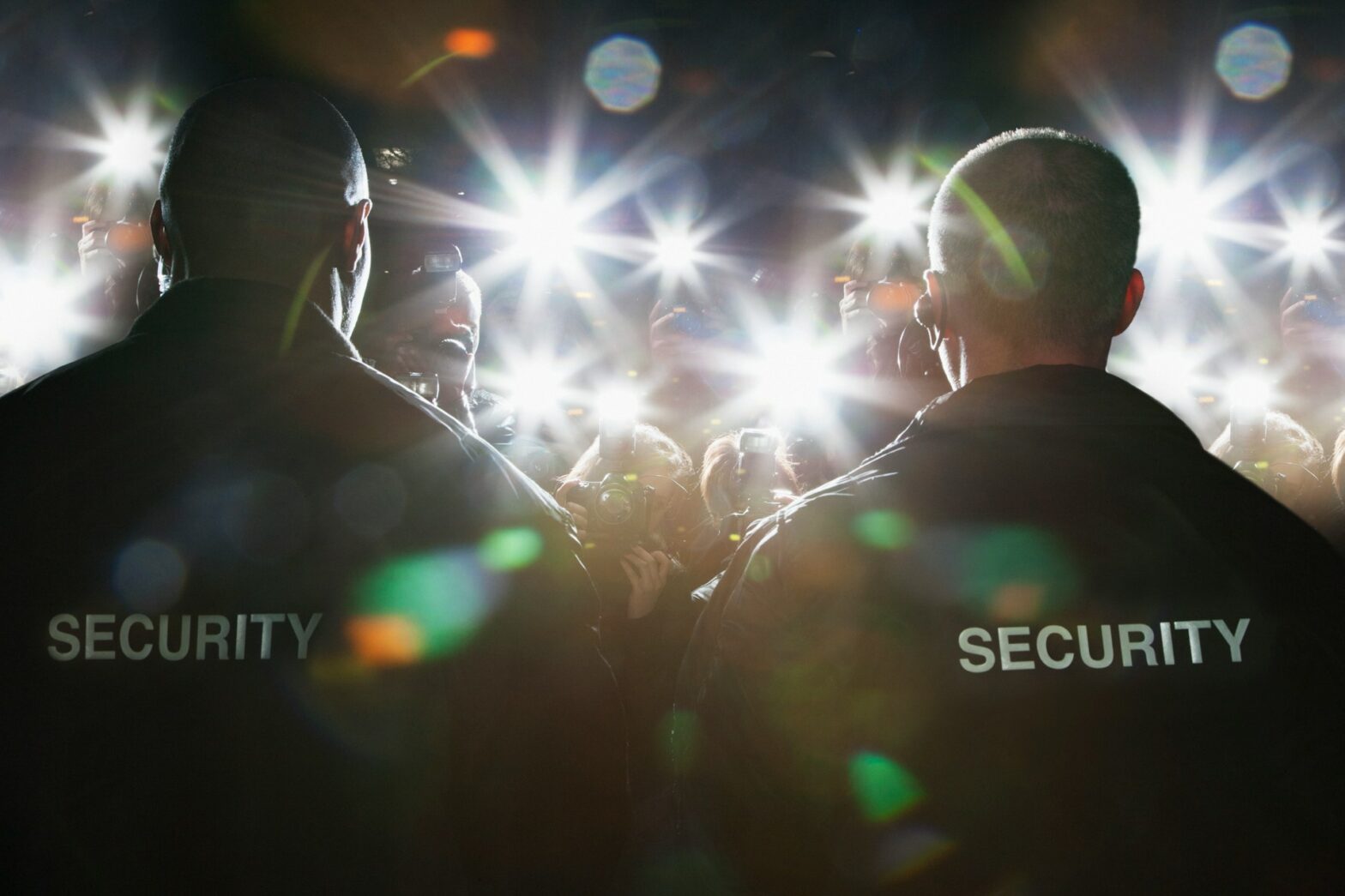
Security should not be the last item considered in an event budget, it’s the first element holding everything together. If organizers view it as a box to check off rather than an essential part of the planning process, issues arise more frequently and when they are most needed, solutions are lacking.
Risk Mapping Before the Venue is Even Booked
Most situations that occur on the day are preventable. And it’s not just because hindsight is easy. The design of the physical space itself will tell you where things are most likely to happen.
Bottlenecks, those areas that every person visiting an event needs to pass through, will be where your incidents occur. The corridor between the two stages is an obvious one. The in-gate to the event, where everyone lines up their bags for security, is another. And still another is the bottleneck created when bar lines back up across primary pedestrian throughways. These areas are easy to identify if you know what you are looking for, but they’re often not obvious to the untrained eye until it’s too late. This is why working with Event Security Guards Melbourne matters, as they pair observation skills with technology before any type of trouble has the chance to pop up.
A proper risk assessment matrix cross-references these bottleneck/clutch point areas with estimated attendance, the schedule, and often the weather pattern. This doesn’t get you your predicted incidents; mud might rain on your parade there, but it does give you an idea of where to have people, gear, and procedures in place before you need them.
What you know going in and have to prepare for is how some percentage of that estimated attendance will arrive. And it’s not just the gate crashers. Most situations that happen on the day are emergent ones to the model, not crowd flows as they leave the restroom or the queue, for example. Safety tribes will plan for these, as well as those arriving.
The Deterrent Effect of Visible Security
People like to feel safe and secure when attending events, knowing that protection and assistance are readily available if needed. Skilled security personnel are a subtle but critical part of successful event management. The majority of attendees will never interact directly with security staff, which is exactly the point. Instead, they enjoy events more and engage even more fully because their presence helps prevent and defuse incidents before they happen.
Reliable security cannot rely on a single solution or one-size-fits-all source of personnel. Security teams need to be dynamic, adapting to circumstances and scale. This is the only way to ensure that all possibilities are covered.
Communication as a Risk Mitigation Tool
Instant communication between security teams and event organizers isn’t a bonus. It’s what makes the difference between small hold-ups and crowds in a panic.
When a door is late opening, the manager of the queue outside needs that info in seconds, not minutes. When a medical issue arises near the main stage, you need to know that the exit route is clear before attendees sense something is amiss. That doesn’t happen unless you’ve established designated communication methods, established chains of command, briefed security staff on the event program, and not just the floor plan.
Incident reporting plays into that as well. Keeping track of minor problems, a shouting match, an obstructed emergency door, a wristband inconsistency, helps you identify trends at your next event and provides a paper trail if you ever have to prove you fulfilled your duty of care.
The Legal and Reputational Cost of Getting it Wrong
One preventable bad thing happens, and you feel the consequences for years after.
The first is legal. Your insurers demand written, professional proof that you ensured reasonable security for your guests. One successful claim arising from an incident of violence or theft will likely hike your premiums to the level where one future bad experience would bankrupt you. You also owe a duty of care to contractors, consultants, and suppliers. The health and safety of all workers, wherever they are from, is your responsibility.
The second is word of mouth. Three years after a great event, no one will be able to name the security team, but everyone will know that one thing reputedly got out of hand in the bathrooms one evening.
You can’t remove all risk. The key to future litigation and loss of trading is to be seen to have removed as much risk as possible. To demonstrate that, you’ll need loads of paperwork and a small army of security guards.